
Pythagorean vs Chaldean Numerology: Which System to Use (and Why)
If you have ever compared numerology readings online, you have probably noticed something frustrating: the same name can produce different results depending on the system. That is not wrong. It is simply two different frameworks.
This guide explains the practical differences between Pythagorean numerology and Chaldean numerology, what each system is better at, and how to choose the right approach for your goals.
Quick overview: what is a numerology system?
A numerology system is a set of rules for turning letters and dates into numbers, then interpreting those numbers. The rules usually include:
- Letter-to-number mapping
- Reduction rules (single digits, master numbers)
- Which name version to use (birth name, legal name, current name)
- How to interpret compound numbers
The core difference in one sentence
Pythagorean is the most widely used modern system and is often easier to teach step by step. Chaldean uses a different letter mapping and tends to focus more on vibration and compound-number nuance.
Comparison table (simple and useful)
| Topic | Pythagorean | Chaldean |
|---|---|---|
| Letter mapping | 1-9 repeating across the alphabet | Different mapping, traditionally 1-8 (varies by school) |
| Popularity online | Most common in calculators and courses | Common in niche traditions, less standardized online |
| Best for | Teaching, consistency, full chart structures | Compound-number flavor, name vibration focus |
| Common confusion | People mix rules from different schools | Different mappings between sources |
When Pythagorean is the best choice
Choose Pythagorean when you want clarity, repeatable rules, and a complete chart framework:
- You are building a chart that includes Life Path, Expression, Soul Urge, Personality, and timing
- You want a system that most students and clients already recognize
- You want consistent calculator output and structured interpretation templates
- You want to teach or certify people in a standardized method
When Chaldean can add value
Chaldean can be useful when your reading style emphasizes subtle name vibration and compound-number detail:
- You like reading compound numbers as story numbers before reduction
- You want a second lens to compare name patterns
- You work with name changes and want another perspective
Important: because Chaldean sources can vary, you should choose one consistent mapping and stick to it.
The biggest mistake: mixing systems in one chart
One of the most common errors is calculating some numbers with Pythagorean rules and other numbers with Chaldean rules. That creates a chart that does not speak one language.
Rule: pick one system for the whole chart. If you want to compare systems, do it as a separate comparison reading, not as a mixed calculation.
A practical decision method (choose in 60 seconds)
- If you want a full chart + timing + teaching structure: use Pythagorean.
- If you want an extra lens for name vibration: add Chaldean as a comparison layer (separate).
- If you are building online tools: prefer the system your audience expects (usually Pythagorean).
Can you use both systems?
Yes, but with discipline. Use one system as your main chart, then compare the second system only for specific questions. For example:
- Main chart in Pythagorean (all core numbers and timing)
- Chaldean as a name vibration check when working with branding or name changes
FAQ
Why do calculators give different numbers for the same name?
Usually because they use different systems, different reduction rules, or a different name version. Always check which rules the tool uses.
Which system is more accurate?
Accuracy comes from consistency and interpretation skill. A clear system used consistently will outperform a mixed approach.
Next step
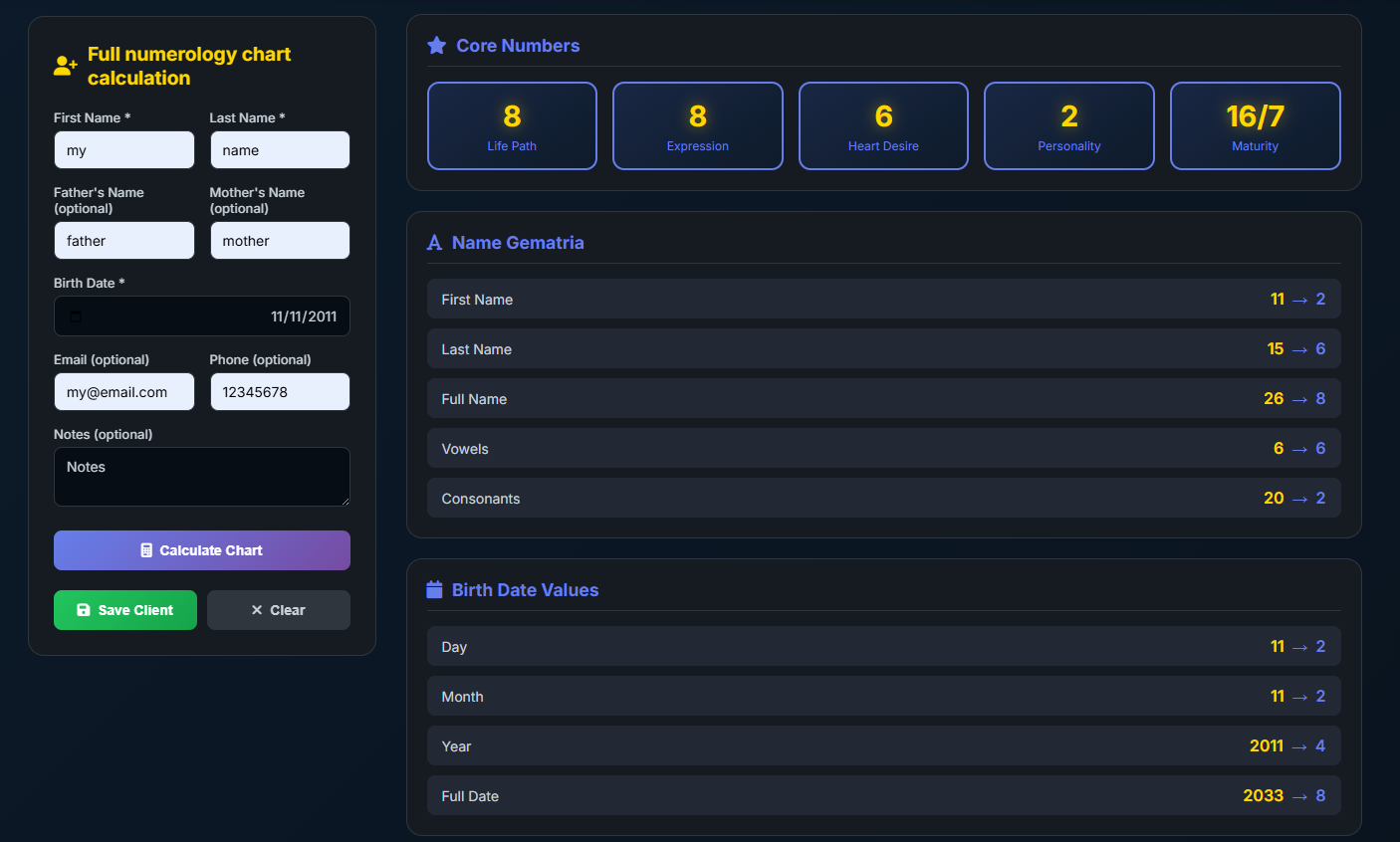
Use the calculator to generate your full chart in one consistent system, then read the results with structured interpretation. If you want, you can later compare a second system as an extra layer.
Calculate your numerology chart
The PNA calculator computes all core numbers for free. PRO extends it to 750+ values across 31 modules.
Free calculator → PRO calculator · 750+